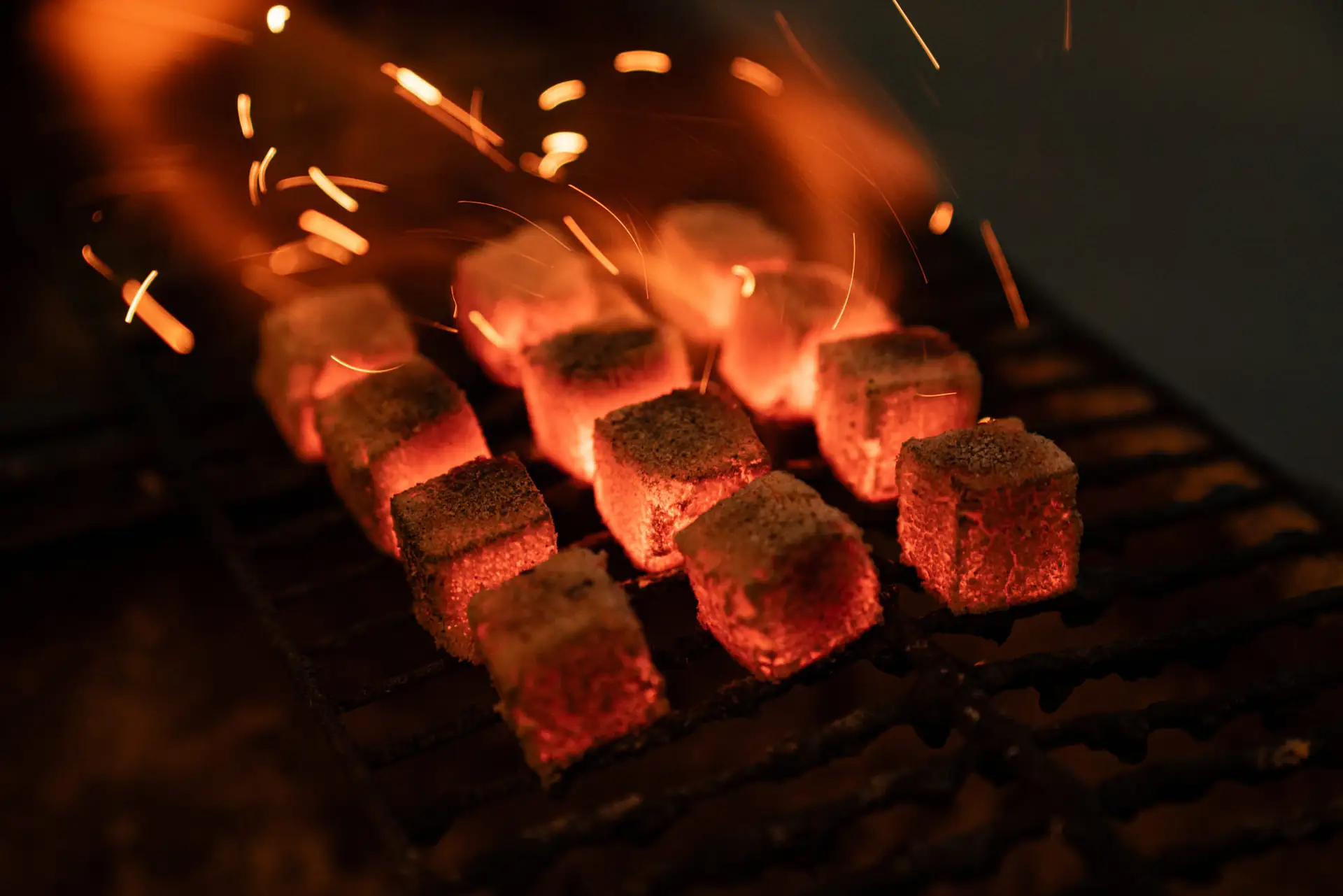
The Benefits of Pistachio Shell Charcoal
Discover why pistachio shell powder produces superior shisha charcoal with cleaner burn, less ash, and consistent heat.
- charcoal
- pistachio
- quality
- shisha charcoal
- hookah charcoal

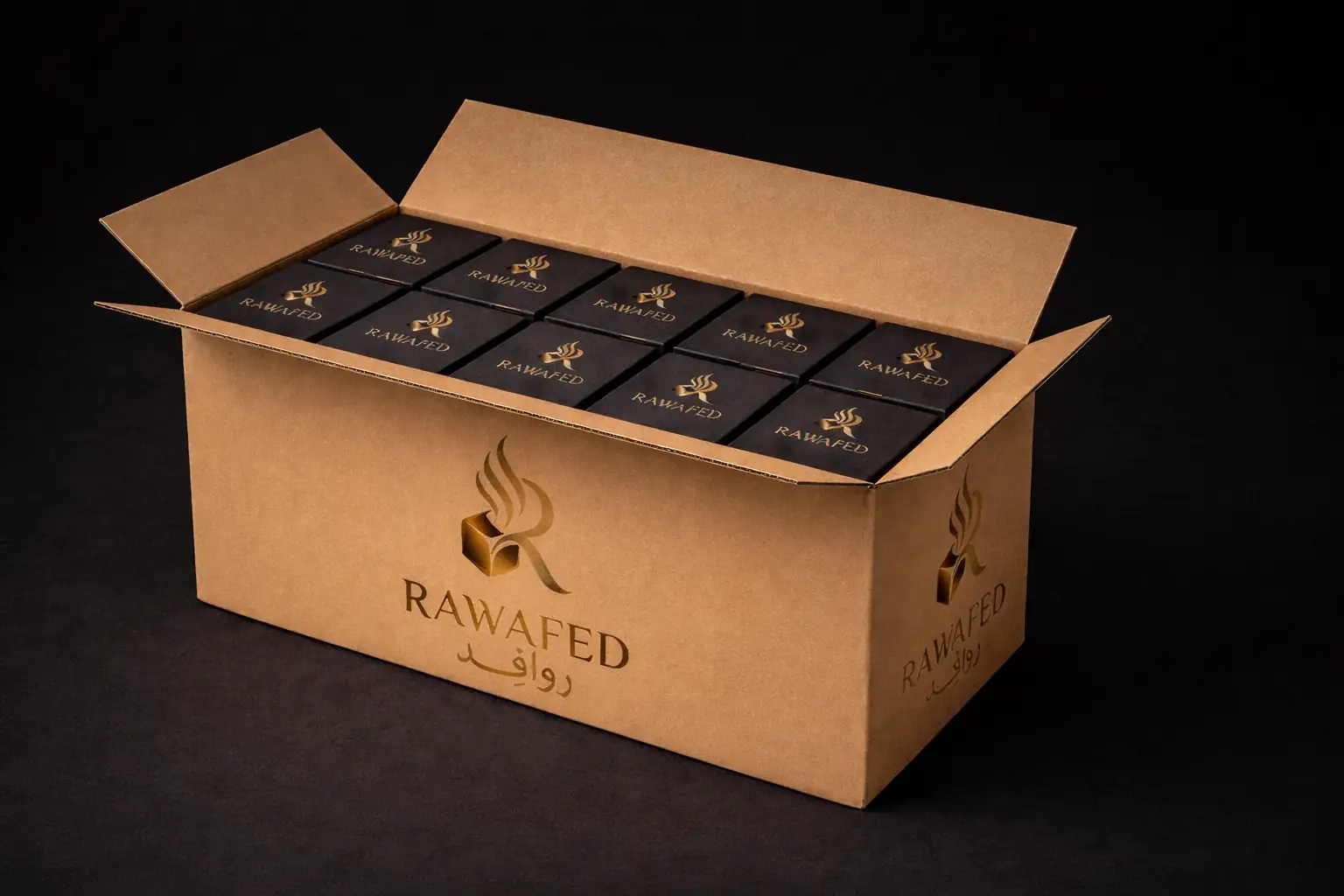
Pistachio shell charcoal is quietly displacing coconut and wood briquettes across premium hookah lounges and distribution networks, driven by measurable advantages in ash content, burn stability, and flavor neutrality that few alternative raw materials can match.
The shisha charcoal market has long revolved around two raw materials: coconut shells and various hardwoods. Both have served the industry adequately, but neither was engineered for the demands of a modern hookah session, where flavor purity and heat consistency matter more than raw availability. Pistachio shell charcoal occupies a fundamentally different position. Produced from a high-carbon agricultural byproduct with naturally low moisture content, it delivers the kind of performance profile that premium buyers now expect as baseline.
What makes pistachio shells different
The pistachio shell is denser and more carbon-rich than most biomass feedstocks used in charcoal production. That density translates directly into combustion behavior: pistachio shell cubes hold their heat at a steady plateau rather than spiking and dropping the way many coconut or wood briquettes do. Ash output sits in the 5 to 6 percent range, well below the 15 to 25 percent typical of wood-based alternatives and noticeably lower than the 12 to 18 percent common in coconut charcoal.
For hookah lounge operators, lower ash means less frequent coal changes during a session, improving throughput and reducing table-side interruptions. For end consumers, it means a cleaner bowl and a flavor profile that stays true from the first draw to the last.
From raw shell to finished cube
At Rawafed, the production process starts with carefully sourced pistachio shells from established suppliers across the Middle East. The shells pass through a multi-stage preparation sequence: cleaning to remove dust and organic debris, controlled drying to bring moisture below the 8 percent threshold, and fine grinding into a uniform powder. That powder then enters hydraulic presses operating at pressures exceeding 200 bar, producing a briquette with consistent geometry and density throughout.
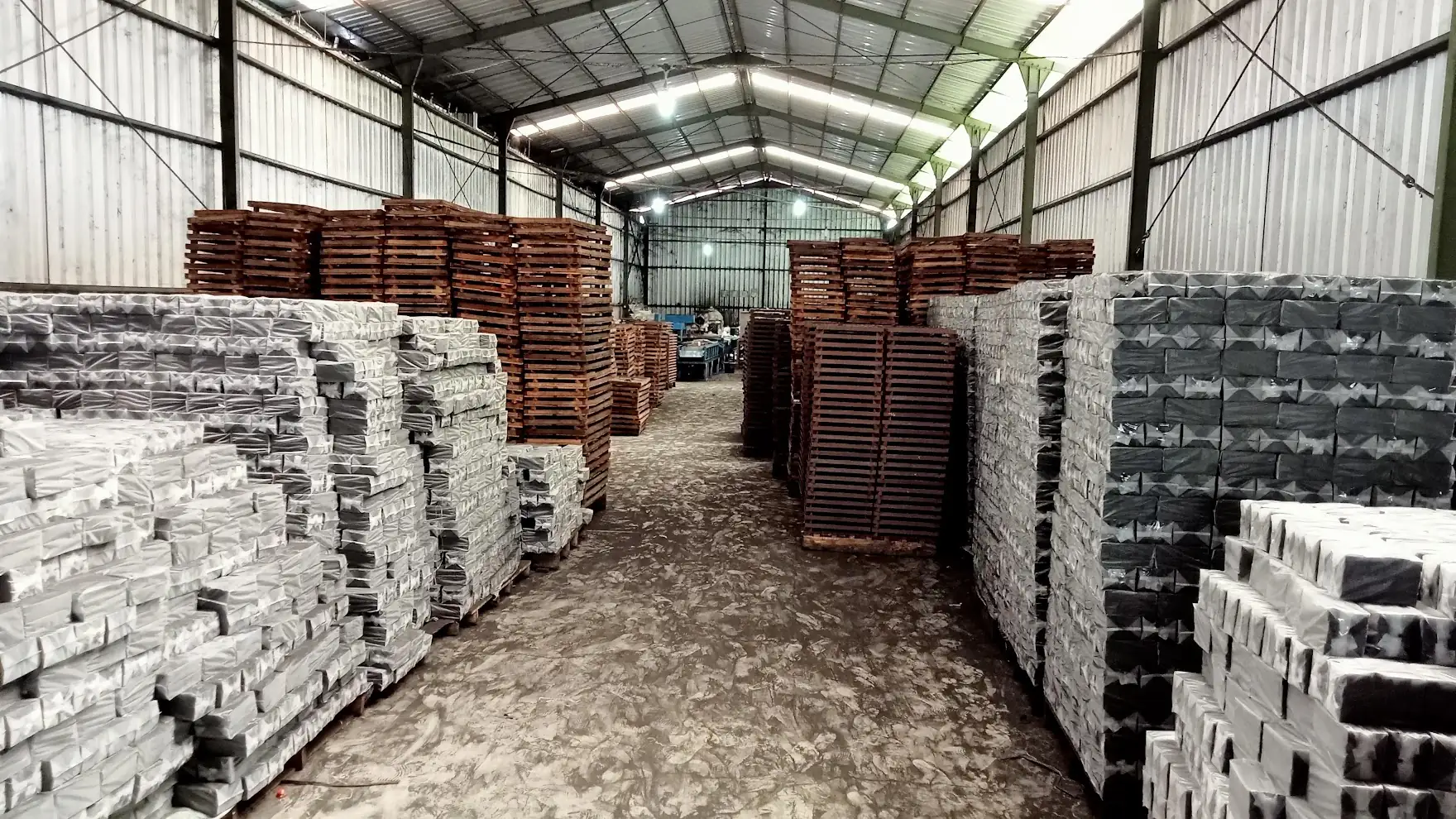
Every production batch undergoes testing across four parameters: heat output consistency, ash content percentage, structural integrity under handling and transport, and total burn duration. Cubes that fall outside specification are rejected before packaging. The result is a burn duration of 100 to 180 minutes per cube, depending on size and airflow conditions.
The sustainability case
Pistachio shells are a genuine waste stream. The global pistachio industry generates hundreds of thousands of tons of shells annually, the vast majority ending up in landfills or burned without energy recovery. Converting them into precision-manufactured charcoal cubes creates economic value from material that would otherwise represent a disposal cost. This is not a marginal environmental benefit; it is a fundamental shift in how an agricultural byproduct is utilized.
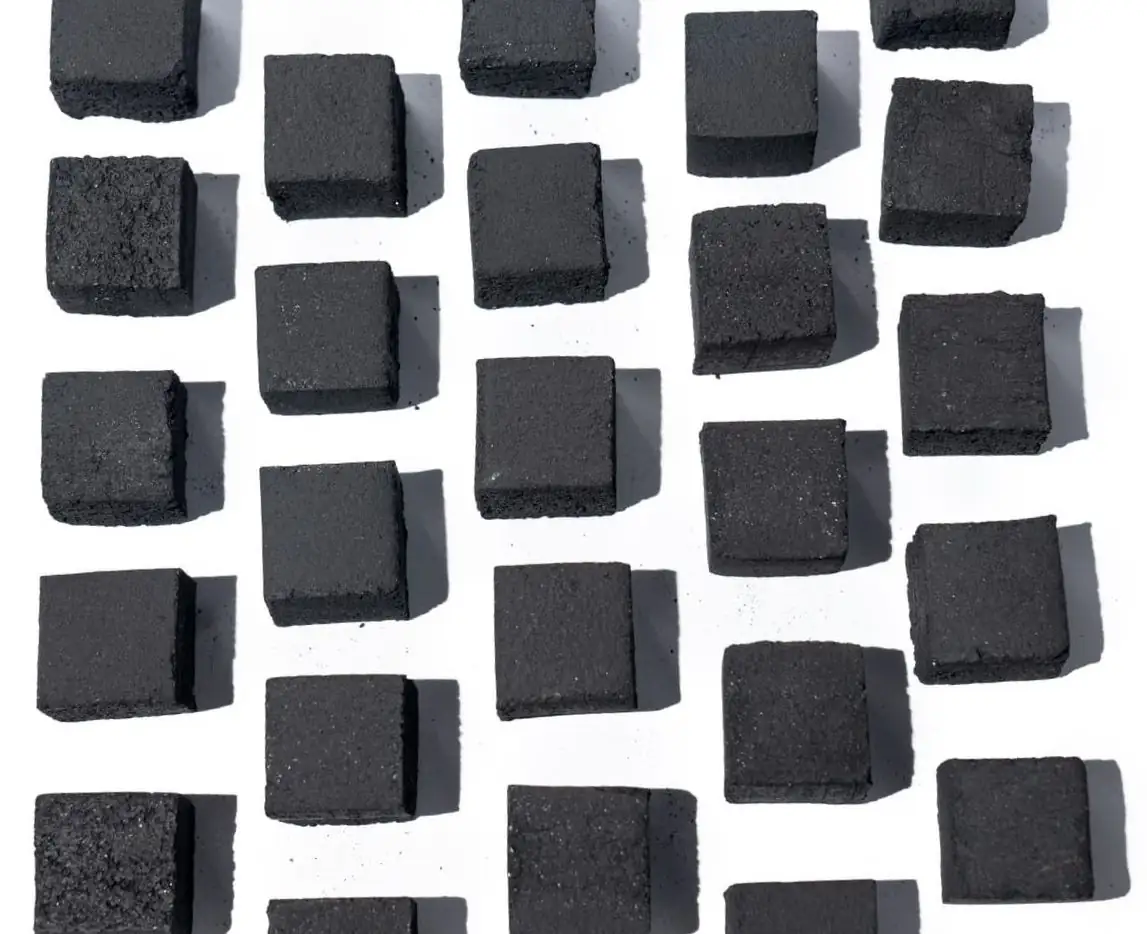
That sustainability profile carries real commercial weight in export markets where regulatory pressure and consumer preference are both moving toward products with lower environmental footprints. Distributors serving the European, Turkish, and Gulf markets increasingly treat raw material sourcing as a procurement criterion rather than a marketing talking point.
What this means for buyers
Rawafed manufactures pistachio shell charcoal cubes at our facility in Muscat, Oman, with full OEM and private-label capabilities. For distributors and brand owners looking to source charcoal that performs at the top of every measurable category, the raw material is the deciding factor.